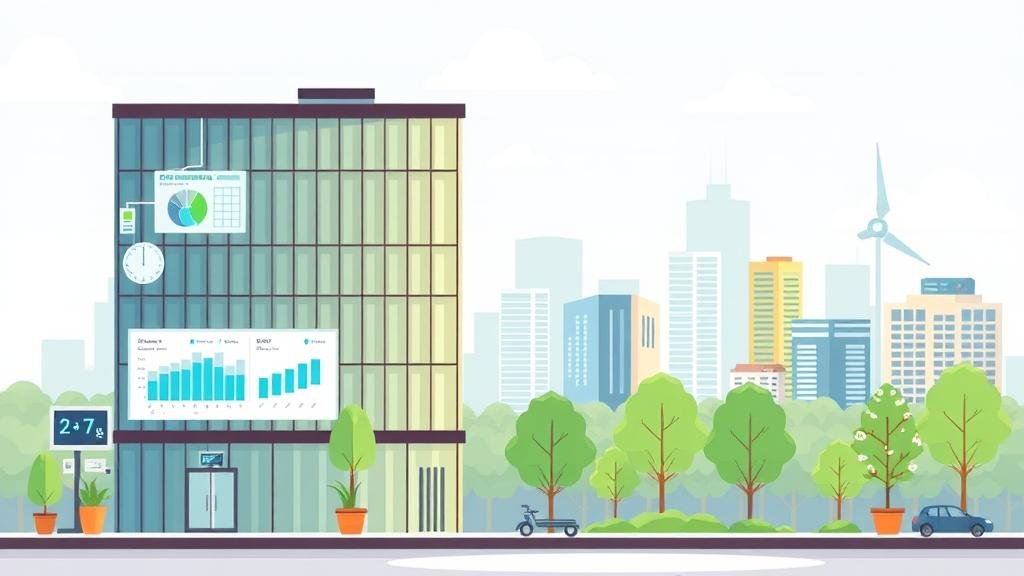
The Essential Guide to Energy Monitoring Systems for Business
Estimated reading time: 10 minutes
Key Takeaways
- Energy monitoring systems provide a comprehensive view of a business’s energy usage across multiple utilities.
- Implementing these systems can lead to significant cost savings by identifying and reducing energy waste.
- Real-time energy tracking enables agile decision-making and swift identification of issues.
- Smart energy dashboards simplify complex energy data, making it accessible to all team members.
- Business Energy Management Systems offer advanced analytics and automated controls to enhance energy efficiency.
- Effective energy consumption monitoring supports sustainability goals and regulatory compliance.
Table of contents
- Introduction
- Understanding Energy Monitoring Systems
- Benefits of Commercial Energy Monitoring
- Real-Time Energy Tracking
- Smart Energy Dashboards
- Business Energy Management Systems Explained
- Energy Consumption Monitoring Solutions
- Case Studies / Real-World Applications
- Conclusion
- Call to Action
Introduction
In today’s world, where energy costs are on the rise and environmental regulations become tighter, businesses are increasingly turning to energy monitoring systems for business. These are digital platforms or devices designed to measure, track, and analyze energy consumption across commercial premises. This is not just about tracking electricity; commercial energy monitoring encompasses various utilities, including gas and water, providing a holistic view of a business’s energy use.
As energy prices continue to climb, achieving energy efficiency has become more critical for all kinds of companies. This drive for efficiency isn’t simply about reducing costs but also about being responsible stewards of the environment. Many stakeholders today have high expectations regarding sustainability practices, and businesses are feeling the pressure to meet these demands.
Energy management in commercial settings plays a vital role in achieving sustainability goals. It not only helps to manage expenses but also supports compliance with environmental obligations. According to industry experts, energy monitoring systems are essential for controlling costs and meeting these growing environmental expectations Source URL.
Understanding Energy Monitoring Systems
How Energy Monitoring Systems Work
Energy monitoring systems operate by combining various components: sensors, metering hardware, and advanced software. Together, they gather and analyze data to provide businesses with actionable insights.
Key features of these systems include:
- Automated Data Capture: Reduces manual input and errors.
- Real-Time Monitoring: Keeps businesses updated on current consumption levels.
- Customizable Alerts: Notifies users of unusual activity or potential issues.
- Dashboard Visualization: Offers a comprehensive view of energy usage trends.
The technology behind these systems, such as cloud platforms and smart meters, simplifies energy tracking and facilitates ongoing assessment. It empowers businesses to make informed decisions about their energy consumption, confirming that these systems provide actionable insights for optimizing usage Source URL.
Benefits of Commercial Energy Monitoring
Cost Savings Through Efficiency
One of the most significant advantages of commercial energy monitoring is the potential for substantial cost savings. By identifying areas where energy is wasted, businesses can act to reduce unnecessary expenditures Source URL.
- Identifying Energy Waste: These systems help pinpoint inefficiencies like running equipment during off-hours.
- Lower Utility Bills: As a result of reduced energy waste, companies can notice a significant drop in their utility bills.
Enhancing Operational Efficiency
Beyond savings, commercial energy monitoring enhances operational efficiency. With accurate data, organizations can optimize the performance of their equipment and plan maintenance more effectively, resulting in lower downtime and increased productivity Source URL.
Driving Sustainability
Efficient energy use is also crucial for improving a company’s sustainability profile. By using energy monitoring systems, businesses can:
- Reduce Emissions: Less energy waste contributes to fewer greenhouse gas emissions.
- Improve Corporate Responsibility: Sustainable practices enhance a company’s reputation in the eyes of stakeholders.
- Meet Environmental Standards: Many regulations demand a commitment to lower emissions, and energy efficiency plays a key role in ensuring compliance Source URL.
Real-Time Energy Tracking
Understanding Real-Time Energy Tracking
Real-time energy tracking refers to the ability to monitor energy consumption continually, giving businesses up-to-the-minute insights into their usage. This is highly significant because it enables companies to act swiftly when they detect issues.
- Identifying Usage Patterns: Businesses can determine consumption trends over various time frames Source URL.
- Spotting Abnormalities: Real-time tracking helps highlight inconsistencies, such as out-of-hours usage that could indicate leaks or malfunctioning equipment.
Instant Feedback for Agile Decision-Making
With instantaneous feedback from their energy monitoring systems, organizations can swiftly optimize their energy management decisions. For instance, they can adjust HVAC systems during peak consumption periods. This proactive approach reduces both costs and waste Source URL.
Smart Energy Dashboards
What are Smart Energy Dashboards?
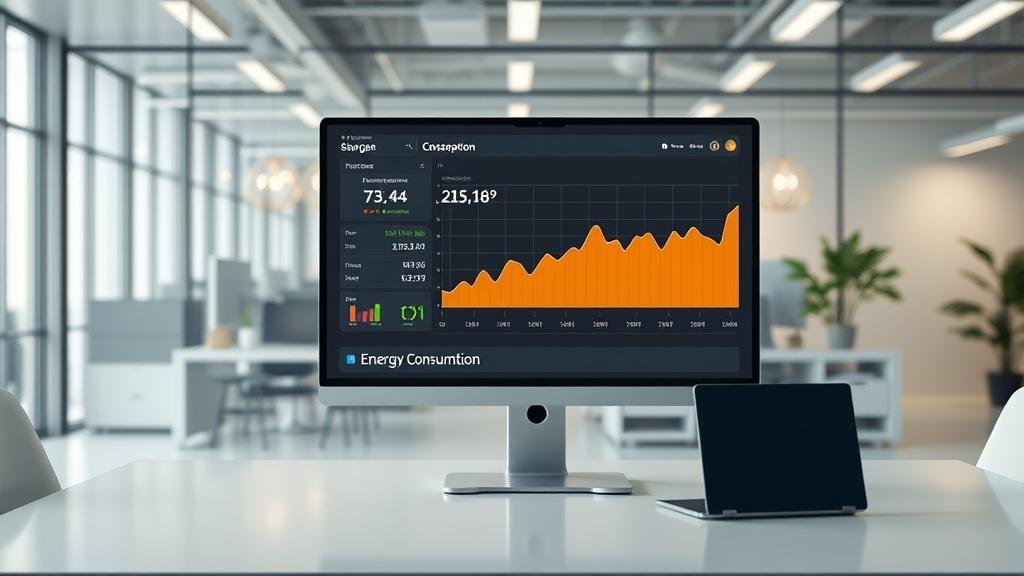
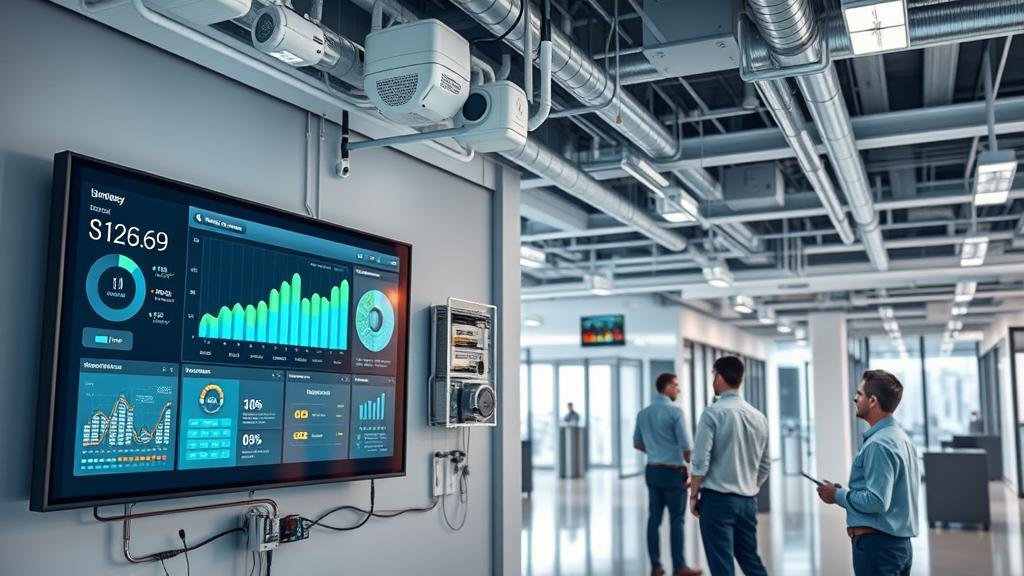
Smart energy dashboards are tools designed to present complex energy data in a simple and understandable format. They make it easier for businesses to grasp their energy usage and make informed decisions.
Key features of smart energy dashboards include:
- Usage Breakdowns: Detailed insights about which equipment is consuming the most energy.
- Benchmarking: Comparing performance against similar businesses.
- Automated Alerts: Notifications when energy usage spikes unexpectedly.
These dashboards are instrumental for both technical and non-technical teams, enabling everyone in the company to identify energy trends and respond accordingly. Visual tools like these can help businesses quickly detect changes that may require immediate attention Source URL.
Business Energy Management Systems Explained
What are Business Energy Management Systems?
While general energy monitoring systems provide insights into energy usage, business energy management systems (EMS) go a step further. They offer additional functionalities, including automated control mechanisms and deeper integration with operational tasks.
- Automated Control: EMS can automate responses to energy use patterns, helping to lower costs.
- Advanced Analytics: These platforms often include predictive analytics, helping businesses understand potential future energy needs and adjust accordingly Source URL.
Enhancing Business Performance
By providing advanced tools that offer improved energy control, EMS platforms can greatly enhance organizational performance and compliance efforts. These systems deepen the integration of energy management into overall business strategies.
Energy Consumption Monitoring Solutions
Overview of Solutions
There are various energy consumption monitoring solutions available for businesses. These systems can vary widely:
- Hardware-Only: Standalone devices that measure consumption.
- Software Platforms: Cloud-based solutions that analyze energy data.
- Integrated Hardware + Software Solutions: Offer the best of both worlds, usually providing robust analytics and control features.
Selecting the Right Solutions
When choosing an energy consumption monitoring solution, businesses should consider several criteria:
- Size of the Business: Larger organizations may require more comprehensive solutions.
- Integration Needs: Compatibility with existing systems is important for seamless operation.
- Regulatory Compliance: Solutions that assist with compliance with local regulations are crucial.
- Future Expansion Capability: A good system should grow with the business Source URL.
Case Studies / Real-World Applications
Successful Implementations
Many businesses reaping the benefits of energy monitoring systems have shared their success stories. For instance, companies report:
- Cost Reductions: By implementing energy monitoring, businesses can lower their energy bills significantly.
- Improved Operational Efficiency: Real-time monitoring enables quick identification of issues and minimizes downtime.
Promoting Sustainability
In specific scenarios, companies have achieved better sustainability through effective energy management. Real-time monitoring allowed them to address leakages proactively and maintain energy-efficient practices Source URL.
Conclusion
Energy monitoring systems for business are essential tools for today’s organizations. They not only help control costs but also enhance operational efficiency and support sustainability initiatives. Businesses that invest in energy management solutions position themselves for future success by reducing waste and demonstrating accountability to stakeholders.
Call to Action
If you’re a business leader, consider exploring specific energy monitoring systems tailored to your needs. Evaluate your current energy consumption patterns and identify areas for improvement. Dive deeper into resources, tools, or consultations to assess and implement suitable solutions. Embracing energy management can lead to enhanced efficiency and sustainability for your business—take that step today!
By utilizing energy monitoring systems effectively, you set the stage for a more efficient and responsible future in business. Don’t wait—start your journey toward improved energy management today!