
“`html
Business Gas Rates Comparison: Save on Your Energy Costs
Estimated reading time: 12 minutes
Key Takeaways
- Analyze Your Gas Rates to identify potential savings by understanding your consumption and daily charges.
- Compare Multiple Suppliers to ensure you are getting the best deals available in the market.
- Switching Suppliers is a straightforward process that can lead to significant cost reductions.
- Implement Energy-Saving Measures to further reduce your gas bills and operational expenses.
- Review Contracts before renewal to negotiate better rates and ensure favorable terms.
Table of contents
- Understanding Business Gas Rates
- Importance of Comparing Business Gas Suppliers
- Finding the Cheapest Business Gas Tariffs
- Step-by-Step Guide to Switching Business Gas Suppliers
- Understanding Commercial Gas Contracts in the UK
- How to Reduce Business Gas Bills
- Navigating the Gas Renewal Process for Businesses
- Getting Business Gas Quotes Online
- Conclusion
- Frequently Asked Questions
Understanding Business Gas Rates
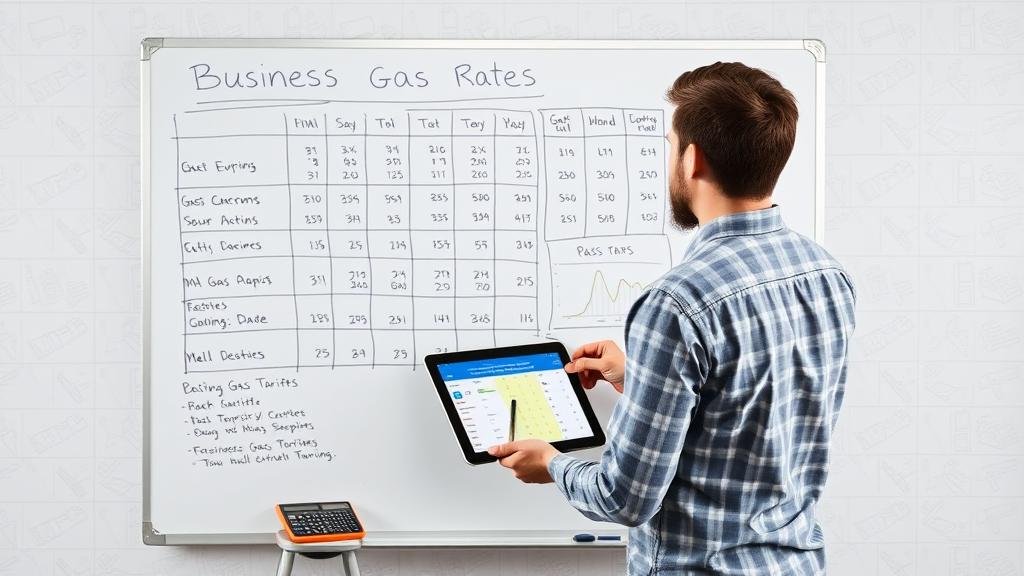
Business gas rates consist of two main components: the per-unit cost (measured in kilowatt-hours, or kWh) and the daily standing charge. Together, these factors determine your monthly gas expenses.
What Are Business Gas Rates?
- Business gas rates are the prices you pay for gas usage in your organization, calculated based on consumption and a fixed daily charge.
- Commercial gas contracts in the UK differ from residential contracts, as they can be tailored to meet the specific needs of businesses.
Factors Influencing Rates
Several factors impact the business gas rates you may encounter:
- Location: Gas distribution costs varies depending on your region, influencing overall charges.
- Usage Volume: Businesses that consume gas in larger quantities often qualify for lower unit rates.
- Type and Size of Business: Larger enterprises may receive bespoke pricing quotes that better fit their needs, as opposed to standard rates.
- Contract Type: Fixed versus variable contracts can also affect pricing. Flexible Energy Contracts provide options that can adapt to your business needs.
- Market Conditions: Fluctuations in the gas market can lead to changes in rates set by suppliers.
Understanding these factors helps in evaluating the best gas contracts for your business and maximizing savings.
Importance of Comparing Business Gas Suppliers
With over 30 suppliers in the UK gas market, it’s crucial to compare offers regularly. Energy to business renewing your business energy ensures that you stay updated with the latest offers and avoid unnecessary expenses.
Why Compare Suppliers?
- Diverse Options: There are numerous suppliers with different pricing structures, making it vital to assess options thoroughly.
- Potential Savings: Small differences in gas rates may translate to hundreds or even thousands of pounds saved annually, especially for organizations with high consumption.
By analyzing offers from different suppliers, businesses can ensure they are not overpaying for gas and that they are benefiting from the latest market innovations and rates.
Finding the Cheapest Business Gas Tariffs
How to Search for the Best Tariffs
To find the cheapest business gas tariffs, consider the following strategies:
- Online Comparison Tools: Use comparison websites dedicated to business gas. These platforms offer updated quotes from various suppliers, allowing you to find competitive rates easily.
- Direct Supplier Contacts: Sometimes, contacting suppliers directly can yield tailored quotes that may not be available online.
- Review the Terms: Always scrutinize the contract terms for hidden fees, cancellation charges, or additional costs that could impact overall savings. For more insights, refer to Non-Commodity Energy Charges Explained: A Comprehensive Guide for Business Leaders.
Some trusted comparison platforms include Utilitywise, GoCompare, and MoneySuperMarket. Reading reviews and ensuring that the site is legitimate can help you find the best options without hidden surprises.
Step-by-Step Guide to Switching Business Gas Suppliers
How to Switch Suppliers
- Gather Information: Before starting, collect your recent gas bills, contract end dates, and consumption metrics.
- Compare Rates: Use trusted comparison platforms or request quotes directly from suppliers. Make sure to review customer feedback for each supplier.
- Initiate the Switch: Once you have selected a new supplier, they will generally handle the switching process.
Required Documents
When switching suppliers, be prepared with the following:
- Proof of Business Address: A document that verifies your business location.
- Current Gas Bill: This will provide essential consumption details to the new supplier.
- Authorization Letter: If you are using a broker or comparison service to switch on your behalf, this may also be required.
Negotiation Tips
Negotiating can often lead to even better rates. Here are some tactics to consider:
- If you have a substantial usage history, leverage that information to negotiate lower rates.
- Don’t hesitate to mention competitor offers in your discussions. For detailed strategies, check out Business Energy Contract Negotiation: A Comprehensive Guide.
Take your time during the switching process to ensure you secure the best deal for your business.
Understanding Commercial Gas Contracts in the UK
Types of Contracts
- Fixed Contracts: Lock in a rate for a specific period (usually between one to three years). This provides certainty but might not adapt to market fluctuations.
- Variable Contracts: Rates fluctuate depending on the wholesale market prices, which means bills may increase or decrease over time.
Contract Negotiation
When negotiating contracts, consider:
- Length of Term: Longer contracts might be more cost-effective but could reduce flexibility.
- Automatic Rollovers: Be cautious of contracts that automatically renew without your consent; always review them ahead of expiration.
Commercial Gas Contracts Advantages
Understanding various gas contract types helps businesses choose the contract that best fits their operational needs and financial goals.
How to Reduce Business Gas Bills
Implement Energy-Saving Measures
- Improve Insulation: Ensure your premises are well insulated to minimize heat loss.
- Upgrade Equipment: Replacing old appliances and machinery with energy-efficient models can yield long-term savings.
- Routine Maintenance: Regular maintenance can help your equipment operate more efficiently, reducing gas consumption. For more strategies, visit How Businesses Can Save on Energy Bills: Strategies for Cost Reduction and Efficiency.
Utilizing Smart Meters
Installing smart meters allows for real-time monitoring of gas consumption. This helps identify inefficiencies, understand patterns, and implement cost-saving measures effectively.
Navigating the Gas Renewal Process for Businesses
Importance of Pre-Renewal Review
Start reviewing your current gas contract at least 3 to 6 months before expiration.
Negotiation Techniques
- During renewal discussions, present competitive offers to negotiate a better rate.
- Analyze market trends to ensure you are quoting competitive rates.
Engaging in a thorough review process can help your business avoid unfavorable renewal terms and secure more advantageous contracts instead.
Getting Business Gas Quotes Online
How to Obtain Quotes
The process is simple:
- Visit reputable comparison websites and enter basic information, such as your postcode and estimated usage.
Verification
Always verify the credibility of comparison sites:
- Look for independent reviews and testimonials and ensure that these platforms are recognized by industry experts.
Conclusion
Conducting a thorough business gas rates comparison can lead to substantial savings for your organization. Understanding your consumption, comparing suppliers, and knowing when to switch contracts can optimize your energy spending significantly. By putting the insights shared in this article into practice, you can lower your energy costs and foster a more financially sustainable business.
Additional Considerations
To provide further context, as of August 2025, the average annual gas bill for a small business can be around £1,729. Understanding the landscape of the market is key in decision-making.
Frequently Asked Questions
- How long does it take to switch business gas suppliers? Switching typically takes about 17 days – your new supplier will manage this process for you.
- Are there downsides to fixed vs. variable contracts? Fixed contracts offer stability, while variable contracts can lead to savings during low market rates.
- What happens if my business changes address? Always inform your supplier as it may change your rates.
- Can I terminate my contract early, and are there penalties? Early termination often comes with penalties, so review your contract terms.
- What makes business gas tariffs different from domestic tariffs? Business tariffs usually cater to higher consumption and offer different pricing structures suited for commercial needs.
By taking your gas rate comparison seriously, you are not only acting in your organization’s best financial interests but also ensuring that you maximize operational efficiency. Start comparing today!
“`