How to Switch Business Energy Supplier
Estimated reading time: 12 minutes
Key Takeaways
- Switching your business energy supplier can significantly reduce costs.
- Improves service quality and offers access to more flexible contracts.
- Understanding the business energy renewal timeline is essential.
- Effective negotiation can lead to considerable savings.
- Access to renewable energy sources helps reduce your business’s carbon footprint.
Table of Contents
- Understanding the Business Energy Renewal Timeline
- The Business Energy Switching Process
- Renewing Electricity and Gas Contracts
- Renegotiating Energy Deals
- Timing: Best Time to Switch Business Energy
- Benefits of Switching Energy Suppliers
- Frequently Asked Questions
Switching your business energy supplier can significantly reduce costs, improve service quality, and provide access to greener and more flexible contracts. As energy expenses play a crucial role in overall operational costs, understanding how to switch business energy supplier is essential for maintaining efficiency in your business’s financial management. In this blog post, we will guide you through the nuances of switching energy suppliers, the renewal timeline, and how to take full advantage of opportunities for savings.
Understanding the Business Energy Renewal Timeline
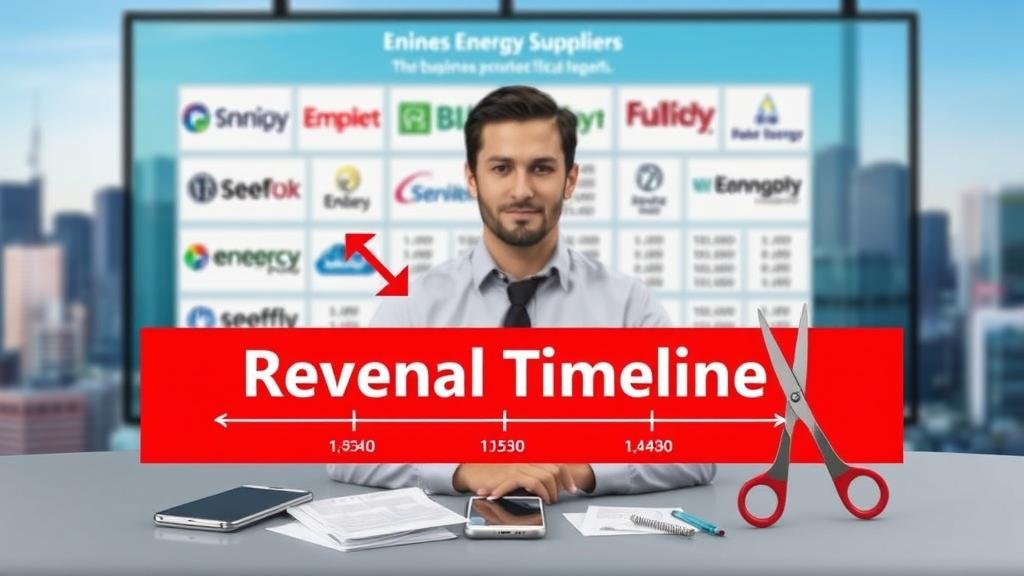
The business energy renewal timeline is crucial for ensuring you manage your energy contracts effectively. This timeline includes several key dates that every business should understand: https://e2b.uk
Contract End Date
This date indicates when your existing energy agreement expires. By knowing this date, you can start to prepare for switching or renewing your energy contract well in advance. Typically, it is recommended to start evaluating options about three to six months before this date.
Notice Period
Once you’ve decided to switch, your current supplier may require you to provide notice of your intent to leave. This timeframe is known as the notice period. Failing to provide notice within this window can lead you to auto-renew at potentially higher rates.
Out-of-Contract Rates
Do not overlook the risks associated with being rolled onto out-of-contract rates. If no action is taken before your contract expires, your business may automatically transition to an often higher tariff that could inflate your energy costs unnecessarily.
Importance of Tracking Dates
Understanding these dates—contract end date, notice period, and out-of-contract rates—is vital. Set reminders and track these key timelines diligently to avoid unnecessary charges and missed savings opportunities. Taking action early is crucial for obtaining the best rates and services available to your business.
The Business Energy Switching Process
Switching suppliers involves a systematic approach. Below are the critical steps involved in the business energy switching process:
Review Your Current Contract
Start by carefully reviewing your existing energy contract. Check for:
- Current rates you’re paying
- The end date of your contract
- Notice period requirements
- Any penalties for early termination
Understanding these details will help you make informed decisions about switching.
Gather Necessary Documentation
Before you initiate the switch, you need to have specific documents organized:
- Meter numbers
- Recent meter readings
- Your business details
- Energy usage data (usually found on your latest bill)
Preparing this information will streamline the switching process, ensuring that you have everything ready when approaching other suppliers.
Research Potential Suppliers
Take the time to research and compare potential energy suppliers. Look for:
- Unit rates
- Standing charges
- Contract terms
Utilizing online comparison tools can simplify this process. It allows you to evaluate options side by side and choose the best fit for your business needs. https://www.e2b.uk/choosing-retail-energy-suppliers
Initiate Contact with New Supplier
Once you have identified a suitable supplier, you can initiate the switch. Sign the necessary paperwork with the new supplier; they will typically handle most of the transition process for you. This includes notifying your current supplier and arranging a new start date for your energy supply.
Submit Final Meter Reading
After signing with a new supplier, ensure that you submit your final meter reading promptly. Providing accurate readings avoids disputes over billing and helps ensure a smooth transition without any hiccups in service.
Plan and Track Critical Dates
From start to finish, effective management of energy switching requires planning ahead and closely monitoring every critical date throughout the process.

Renewing Electricity and Gas Contracts
Understanding when to renew contracts versus switching suppliers is essential for energy management. Here’s how to approach renewing electricity and gas contracts:
When to Renew
Consider renewing your current contract when:
- You are satisfied with your supplier’s service and rates.
- Your supplier offers a competitive renewal price that matches or beats the market rate.
When to Switch
On the other hand, it may be time to switch suppliers when:
- You discover better rates or more attractive contracts from competitors.
- You are unhappy with the service quality or customer support provided by your current supplier.
Renegotiating Deals
Before making a decision, it is wise to assess your current contract’s offers against competitive options. You may even want to negotiate with your existing supplier first to see if they can match or improve upon any new offers. https://www.e2b.uk/business-energy-contract-negotiation-guide
Renegotiating Energy Deals
If you decide to stay with your current supplier, you can also look into renegotiating energy deals. Here are actionable steps to consider:
Prepare for Negotiation
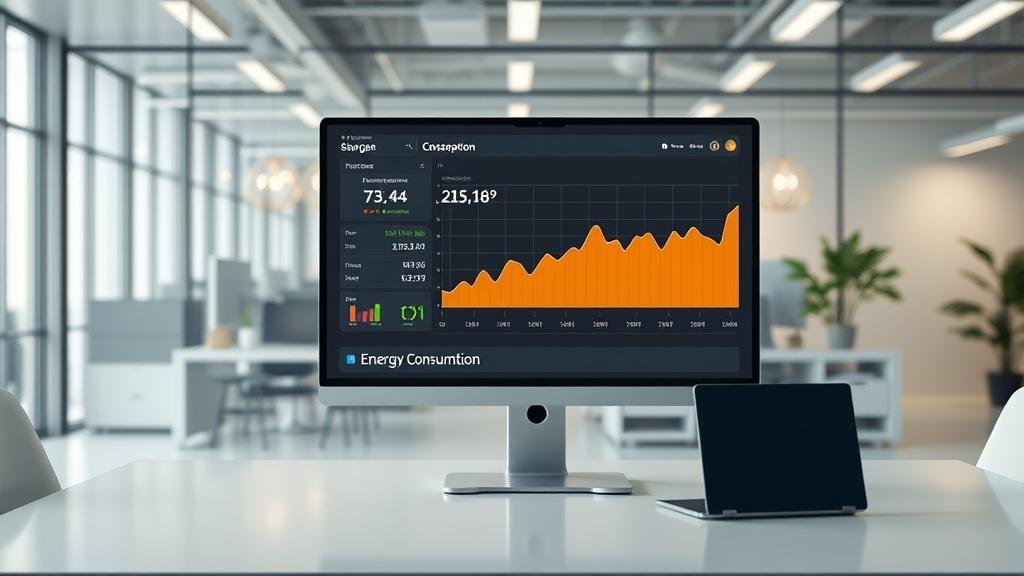
Analyze your energy consumption and existing contract terms to provide a solid foundation for your negotiation. Understand your business’s energy needs and stay informed about market rates. https://www.e2b.uk/energy-consumption-data-analytics
Timing for Approach
Timing is key when negotiating with suppliers:
- Start discussions early, ideally several months before contract expiration. Suppliers will often be more cooperative when they know you could potentially leave.
Leverage Alternative Offers
When negotiating, leverage any alternative offers you have received from competitors. This strategy can incentivize your current supplier to provide you with a better deal.
Hiring a Broker
If you lack negotiation experience, consider hiring an energy broker. They can assist you in navigating options and achieving the best terms for your business.
Potential Savings
Renegotiating can lead to considerable savings. Even a minor reduction in rates can translate to significant financial benefits for businesses, especially larger ones.
Timing: Best Time to Switch Business Energy
Determining the best time to switch business energy is essential for maximizing your savings. Here’s how to optimize your timing:
Renewal Window Opens
The renewal window typically opens around three to six months before your current contract ends. This timing is crucial as it allows you to explore offers while having enough time to negotiate terms.
Market Trends
Be aware of market trends affecting energy prices. Fluctuations in wholesale energy prices can influence suppliers’ offers. Switching during periods of lower market prices may result in lower rates.
Keep Track of Market Fluctuations
To capitalize on favorable switching opportunities, regularly monitor energy market trends. Industry news sites, energy reports, and financial publications can provide insights into market conditions that may benefit your energy procurement strategy.
Benefits of Switching Energy Suppliers
The decision to switch suppliers can provide numerous benefits of switching energy suppliers. Understanding these advantages can help justify the effort involved in the process.
Cost Savings
One of the primary reasons to switch suppliers is the potential for cost savings. By evaluating multiple offers, you can find lower unit rates or reduced standing charges. https://www.e2b.uk/business-energy-cost-benchmarking
Improved Customer Service
Switching may also improve the quality of customer service your business receives. New suppliers may offer more personalized support and better responsiveness to your needs.
Access to Sustainable Energy
Many suppliers are now offering greener contract options. Switching can provide access to renewable energy sources, helping your business reduce its carbon footprint.
Flexible Contract Terms
Additionally, new suppliers may present more flexible contract terms that better align with your business’s unique requirements. This is particularly valuable for companies anticipating growth or changes in usage.
Statistical Support
Many companies have reported significant financial advantages after switching suppliers. Review case studies to see the positive impact it’s had on businesses similar to your own.
Conclusion
Understanding how to switch business energy suppliers is a crucial skill that can help you significantly improve your operational efficiency and reduce costs. By knowing renewal periods, undertaking the switching process effectively, and negotiating contract terms, businesses can ensure they are getting the most value from their energy contracts.
Call to Action
Take a moment to assess your current energy contracts. Consider whether switching or renegotiating could provide value for your business. Share your experiences or questions about the energy switching process in the comments below; together, we can help each other navigate the complexities of energy procurement!
Frequently Asked Questions
What is the average time it takes to switch energy suppliers?
Typically, switching energy suppliers can take between 21 to 30 days, depending on the complexity of your energy contract and the suppliers involved.
Are there any fees associated with switching suppliers?
Some suppliers may charge exit fees if you switch before your contract ends. It’s important to review your current contract to understand any potential fees.
How can I ensure I get the best rate when switching?
Research and compare multiple suppliers, consider negotiating with your current supplier, and be aware of market trends to secure the most competitive rates.