Energy Monitoring Systems for Business
Estimated reading time: 10 minutes
Key Takeaways
- Energy monitoring systems help businesses manage energy consumption, leading to improved efficiency and cost savings.
- Real-time energy tracking provides up-to-the-minute data for better decision-making.
- Advanced energy monitoring systems offer detailed analytics and integration capabilities.
- Implementing energy monitoring solutions supports sustainability goals and reduces environmental impact.
- Case studies show significant energy cost reductions and improved operational efficiency.
Table of contents
- Energy Monitoring Systems for Business
- Understanding Energy Monitoring Systems
- Types of Energy Monitoring Systems for Businesses
- Importance of Real-Time Energy Tracking
- Features of Smart Energy Dashboards
- Business Energy Management Systems
- Energy Consumption Monitoring Solutions
- Benefits of Implementing Energy Monitoring Systems
- Case Studies & Examples
- Conclusion
- Call to Action
- Frequently Asked Questions
In the fast-paced world of modern business, energy monitoring systems for business have become indispensable tools. These systems help companies manage their energy consumption, leading to improved efficiency and significant cost savings. As businesses grapple with rising energy costs and tightening regulations, investing in energy monitoring has become crucial for achieving effective business energy management systems.
With the advent of technology, the demand for real-time energy tracking capabilities has surged, allowing organizations to obtain up-to-the-minute data about their energy usage. Comprehensive and efficient commercial energy monitoring systems can empower businesses by enabling them to visualize consumption patterns and take decisive action to reduce expenses and meet sustainability goals.
According to research, energy monitoring systems for businesses are digital platforms and tools that collect, analyze, and visualize data on energy consumption, enabling organizations to enhance efficiency, curtail costs, and align with their sustainability initiatives source 1 source 2 source 3. The growing relevance of these systems is driven by rising energy prices, stricter regulations, and the pressing need for real-time insights into energy consumption source 3.
Understanding Energy Monitoring Systems
To grasp the significance of energy monitoring systems for business, it’s essential to understand what they are and the purpose they serve. In essence, an energy monitoring system (EMS) is a combination of hardware and software that continuously collects energy consumption data from various sources within a business source 1 source 2.
How Energy Monitoring Systems Operate
- Data Collection: EMS utilize sensors and smart meters to gather the data.
- Data Processing: They process and analyze the collected data.
- Actionable Reporting: The systems produce visual reports that reveal consumption trends, helping companies identify inefficiencies.
Energy monitoring systems for business not only track energy usage but also help organizations implement effective energy consumption monitoring solutions. These systems make it easier for management to measure contract performance, track emissions, and discover operational inefficiencies source 1.
Types of Energy Monitoring Systems for Businesses
When considering energy monitoring solutions, it’s vital to differentiate between the various commercial energy monitoring systems available on the market today.
Basic Energy Monitoring Tools
These systems offer simple metering capabilities to track the overall energy usage of a building. They provide fundamental reports and insights, mainly focusing on consumption on a high level. The keyword here is basic energy monitoring.
Advanced Solutions
Advanced energy monitoring systems offer a deeper insight into consumption patterns. They provide:
- Real-Time Monitoring: Keeping track of energy consumption as it happens.
- Detailed Analytics: Offering extensive data analysis for high-level decision-making.
- Integration Capabilities: Seamless integration with enterprise systems and renewable energy solutions.
These advanced systems typically fall under business energy management systems and offer real-time energy tracking, which is essential for immediate decision-making source 1. According to research, advanced solutions can support predictive maintenance and link with renewable energy systems source 1.
Importance of Real-Time Energy Tracking
Incorporating real-time energy tracking into business operations significantly enhances transparency regarding energy usage. By gaining instant insights, businesses can understand their consumption patterns immediately.
Benefits of Real-Time Data
- Enhanced Transparency: Provides clear insights on energy usage across different departments.
- Immediate Decision-Making: Real-time data supports quick actions, such as leveling energy consumption during peak periods, resulting in cost savings.
Research shows that “real-time energy tracking allows businesses to see precise consumption patterns as they happen” source 1. This capacity helps organizations to spot anomalies and take prompt corrective actions, preventing larger issues from developing.
Features of Smart Energy Dashboards
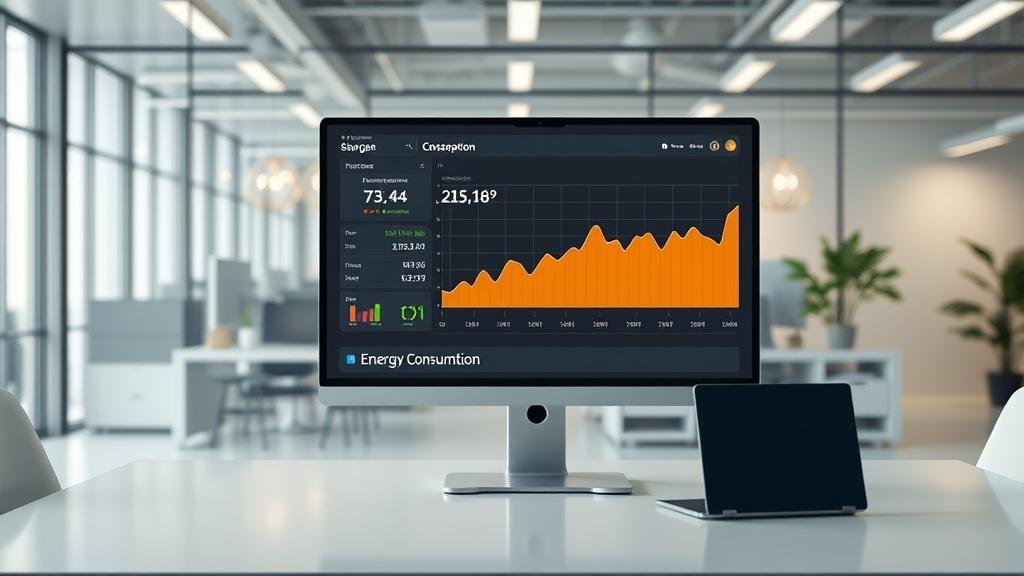
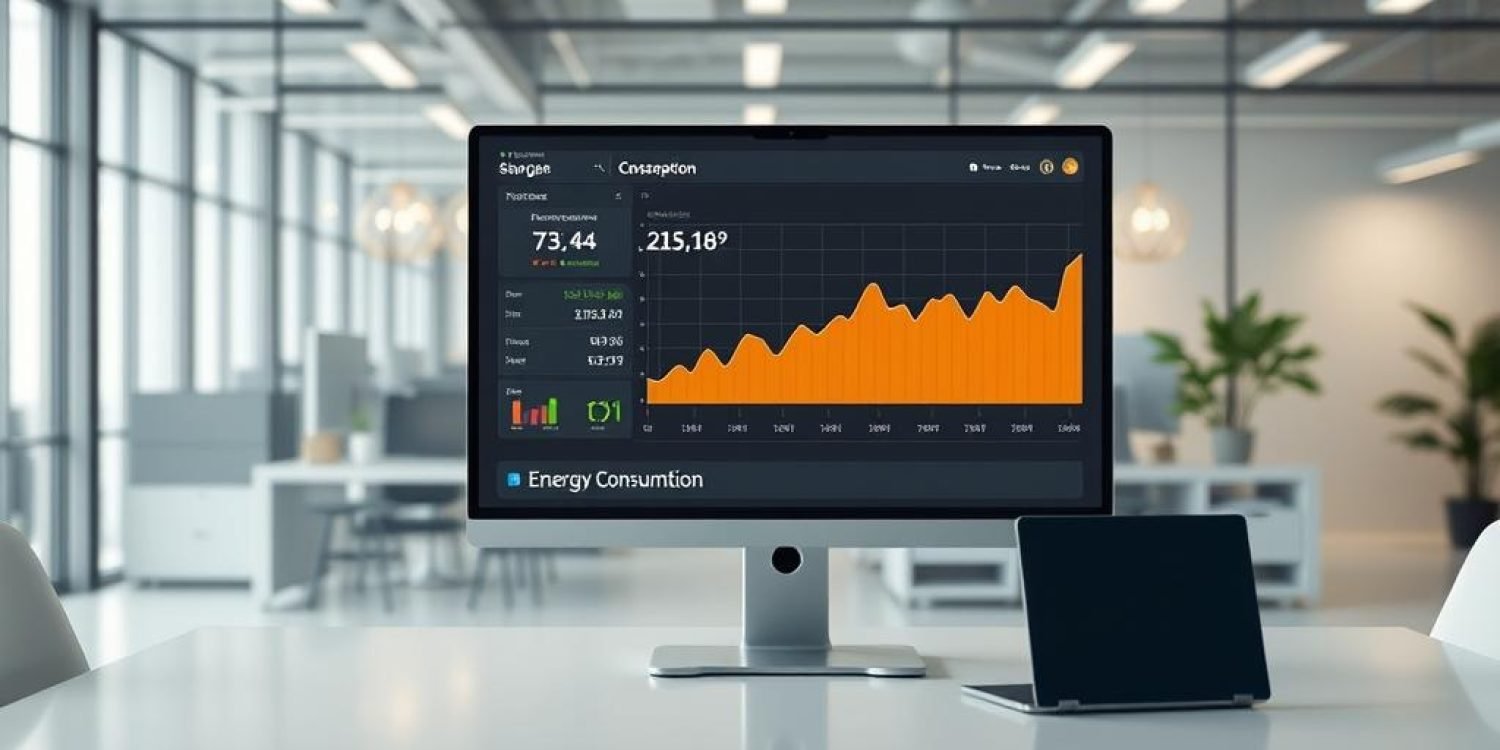
Smart energy dashboards are pivotal tools within energy monitoring systems, offering businesses a user-friendly interface to explore their energy data.
Key Features
- Customizable Views: Users can tailor the dashboard to show relevant data sets.
- Intuitive Data Visualization: Easily interpretable graphs and charts help identify trends and anomalies.
- Alerts for Abnormal Consumption: Receive notifications when energy usage exceeds predetermined limits.
These features collectively enhance real-time energy tracking and provide businesses with actionable insights through energy consumption monitoring solutions.
Business Energy Management Systems
Business energy management systems serve as a backbone for organizations looking to optimize their energy use. These systems extend the capabilities of standard monitoring setups by integrating more sophisticated tools for control and automation.
Key Aspects
- Integration with Monitoring Solutions: Combining EMS with monitoring systems allows for comprehensive oversight and management.
- Enhanced Control Features: Systems can automate energy management across numerous assets, such as HVAC and lighting controls, leading to reduced energy consumption.
According to a study, EMS align energy management with operational needs, maximizing cost efficiency in line with business objectives source 1. This alignment is critical for companies striving to achieve long-term sustainability goals.
Energy Consumption Monitoring Solutions
When exploring energy consumption monitoring solutions, businesses will encounter a variety of options, primarily categorized into software and hardware.
Software Solutions
These focus on data analysis and offer capabilities like:
- Data Aggregation and Visualization: Organizing historical data and providing insights.
- Integration with Existing Business Systems: Facilitating compliance and energy strategy management.
Hardware Solutions
Hardware tools, like smart meters and sensors, play an essential role, providing:
- Accurate Data Collection: Collects precise energy consumption data for analysis.
- Real-Time Monitoring Capabilities: Allows immediate energy management measures.
Both types of solutions have their pros and cons. Software provides scalable and flexible options, while hardware solutions ensure data accuracy. Integrating both leads to an effective business energy management system that enhances commercial energy monitoring source 5.
Benefits of Implementing Energy Monitoring Systems
There are numerous advantages to implementing energy monitoring systems with far-reaching impacts on a business’s financial and environmental performance.
Potential Advantages Include:
- Cost Savings: Organizations can expect to see reductions in energy bills by optimizing consumption and identifying peak demand periods source 4.
- Improved Operational Efficiency: Continuous monitoring helps identify inefficiencies quickly, leading to enhanced productivity and lower operational costs source 5.
- Reduced Environmental Impact: The systems assist companies in meeting sustainability goals, holding them accountable for their energy consumption and emissions tracking.
Additionally, research indicates that “energy monitoring underpins ESG strategies by delivering auditable, real-time consumption” source 1. Such systems can effectively assist businesses in achieving their environmental sustainability targets.
Case Studies & Examples
Real-life success stories provide compelling evidence of the effectiveness of energy monitoring systems. Numerous businesses have successfully implemented these systems and observed remarkable outcomes.
Example Outcomes:
- Businesses that have adopted advanced energy monitoring solutions have reported energy cost reductions of up to 15–25% on average source 4.
- Improved reliability and performance of equipment, leading to decreased downtime and extended asset lifespans.
These statistics reflect the tangible benefits that energy monitoring systems can bring about, serving as motivation for other businesses considering similar investments.
Conclusion
Energy monitoring systems for business have emerged as essential tools for organizations looking to optimize their energy usage and cost efficiency. These systems play a vital role in facilitating effective business energy management systems, offering real-time insights and enabling data-driven decisions.
As energy costs continue to rise, and compliance regulations become stricter, businesses must consider investing in comprehensive energy monitoring and management solutions. By doing so, they not only enhance their operational efficiencies but also contribute positively to the environment.
Call to Action
Encourage your business to explore various energy monitoring systems for business. Investing in energy consumption monitoring solutions tailored to your specific needs can yield significant benefits in the long run. Don’t hesitate to reach out to experts who can guide you in selecting the right systems for your operational needs and sustainability goals.
Frequently Asked Questions
What are energy monitoring systems?
Energy monitoring systems are digital platforms and tools that collect, analyze, and visualize data on energy consumption, enabling businesses to enhance efficiency and reduce costs.
How do real-time energy tracking systems benefit businesses?
Real-time energy tracking provides instant insights into energy usage, allowing businesses to make quick decisions to optimize consumption and reduce costs.
What features should I look for in an energy monitoring system?
Key features include data aggregation and visualization, real-time monitoring, integration capabilities with existing systems, customizable dashboards, and alert notifications for abnormal consumption.
Can energy monitoring systems help with sustainability goals?
Yes, energy monitoring systems help businesses track and manage their energy consumption, which is essential for meeting sustainability and environmental goals.
What is the difference between basic and advanced energy monitoring systems?
Basic energy monitoring systems provide fundamental metering and reporting capabilities, while advanced systems offer detailed analytics, real-time tracking, and integration with other business systems for comprehensive energy management.